As The Rise of Edge Computing in Smart Cities takes center stage, this opening passage beckons readers into a world crafted with good knowledge, ensuring a reading experience that is both absorbing and distinctly original. In the fast-paced landscape of smart cities, the integration of edge computing technology is reshaping the way urban areas function and evolve.
From optimizing transportation systems to enhancing public safety measures, the synergy between edge computing and smart cities presents a dynamic and innovative approach to urban development.
Overview of Edge Computing in Smart Cities
Edge computing plays a crucial role in the development of smart cities, revolutionizing the way data is processed and managed. By bringing computing resources closer to the data source, edge computing enables real-time data processing and analysis, leading to more efficient and responsive smart city infrastructure.
Definition of Edge Computing in Smart Cities
Edge computing in the context of smart cities refers to the decentralized processing of data at the edge of the network, closer to where data is generated. This approach reduces latency by eliminating the need to send data back and forth to centralized data centers, thereby enabling faster decision-making and response times.
Role of Edge Computing in Enhancing Smart City Infrastructure
Edge computing enhances smart city infrastructure by enabling localized data processing, which is essential for applications requiring real-time data insights. By distributing computing resources across the network, edge computing optimizes the performance of smart city services such as traffic management, public safety, and energy efficiency.
Benefits of Implementing Edge Computing in Smart City Environments
Improved Latency
Edge computing reduces latency by processing data closer to its source, facilitating faster response times for critical smart city applications.
Enhanced Security
By processing sensitive data locally, edge computing minimizes the risk of data breaches and ensures data privacy in smart city environments.
Scalability
Edge computing allows for the scalability of smart city infrastructure, as computing resources can be easily distributed and expanded to meet growing demands.
Cost Efficiency
With edge computing, smart cities can optimize resource utilization and reduce operational costs associated with data transmission and centralized processing.
Resilience
Edge computing improves the resilience of smart city services by distributing computing tasks across the network, ensuring continuity even in the event of network disruptions.
Applications of Edge Computing in Smart Cities
Edge computing plays a crucial role in enhancing the efficiency and effectiveness of various smart city applications. By processing data closer to the source, edge computing enables real-time decision-making and reduces latency in critical processes such as transportation, energy management, public safety, and more.
Transportation
Edge computing is revolutionizing transportation systems in smart cities by enabling real-time traffic monitoring, predictive maintenance of vehicles, and efficient route optimization. For example, in Barcelona, edge computing is used to analyze traffic patterns and optimize traffic signals to reduce congestion and improve overall traffic flow.
Energy Management
In the realm of energy management, edge computing helps smart cities monitor and control energy consumption in real-time, enabling better utilization of resources and reducing wastage. For instance, in Singapore, edge computing is utilized to optimize energy distribution and consumption in buildings, leading to significant energy savings and a more sustainable environment.
Public Safety
Edge computing is also transforming public safety in smart cities by enabling the deployment of advanced surveillance systems, facial recognition technology, and real-time analytics for crime prevention and emergency response. One notable example is the use of edge computing in London's CCTV cameras network to quickly identify and respond to security threats, ensuring the safety of its residents.
Challenges and Considerations in Implementing Edge Computing in Smart Cities
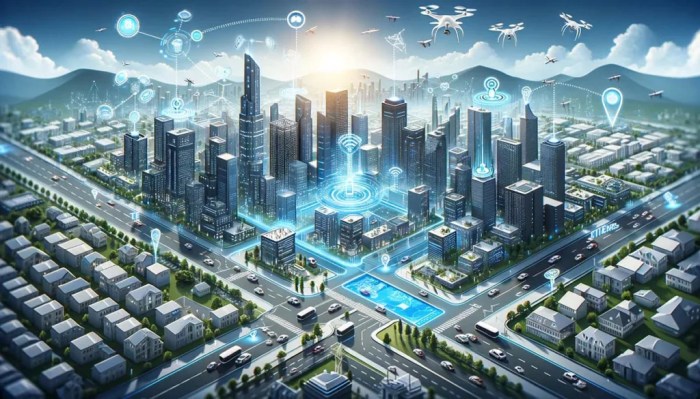
Implementing edge computing in smart cities comes with its own set of challenges and considerations that need to be addressed to ensure successful integration and operation. From cybersecurity concerns to scalability and interoperability issues, various factors play a crucial role in the deployment of edge computing solutions in urban environments.
Cybersecurity Concerns
One of the primary challenges in implementing edge computing in smart cities is cybersecurity. With data being processed and analyzed at the edge of the network, there is an increased risk of security breaches and cyberattacks. It is essential to establish robust security measures to protect sensitive information and infrastructure from potential threats and vulnerabilities.
Scalability and Interoperability
Another key consideration is the scalability and interoperability of edge computing systems in smart cities. As the volume of data generated by IoT devices continues to grow, it is important to ensure that edge computing infrastructure can scale effectively to meet the increasing demand.
Additionally, interoperability between different edge computing solutions and existing smart city systems is crucial to enable seamless communication and data exchange.
Future Trends and Innovations in Edge Computing for Smart Cities
As the world continues to embrace smart city initiatives, the future of edge computing in these urban environments looks promising. With advancements in technology and the increasing demand for real-time data processing, several trends and innovations are expected to shape the landscape of edge computing for smart cities.
AI Integration in Edge Computing
Artificial Intelligence (AI) integration is set to play a significant role in enhancing edge computing capabilities in smart cities. By leveraging AI algorithms at the edge, cities can optimize data processing, improve decision-making processes, and enable predictive analytics for various applications such as traffic management, public safety, and energy efficiency.
5G Connectivity for Edge Devices
The rollout of 5G networks will revolutionize edge computing in smart cities by providing ultra-fast and low-latency connectivity to edge devices. With 5G technology, edge devices can communicate more efficiently, enabling real-time data processing, seamless connectivity, and improved overall performance for smart city applications.
IoT Devices Integration
The integration of Internet of Things (IoT) devices with edge computing systems will continue to expand in smart city environments. IoT devices generate vast amounts of data that can be processed at the edge, leading to improved operational efficiency, enhanced services, and better resource utilization in areas such as waste management, environmental monitoring, and smart infrastructure.
Innovations in Edge Computing Architecture
Future innovations in edge computing architecture, such as distributed computing models, edge analytics frameworks, and edge-to-cloud integration, will further enhance the capabilities of edge computing in smart cities. These innovations will enable more efficient data processing, improved scalability, and enhanced security for smart city applications.
Closing Notes
In conclusion, The Rise of Edge Computing in Smart Cities signifies a paradigm shift in urban planning and management. As cities continue to embrace technological advancements, the future holds boundless opportunities for leveraging edge computing to create more efficient, sustainable, and interconnected urban environments.
The transformative potential of this integration is poised to redefine the landscape of smart cities for years to come.
Query Resolution
What is the role of edge computing in smart cities?
Edge computing plays a crucial role in enhancing smart city infrastructure by enabling real-time data processing and analysis at the edge of the network, leading to faster decision-making and improved efficiency.
How does edge computing improve efficiency in smart city applications?
Edge computing enhances efficiency by reducing latency, minimizing data transfer volumes to centralized servers, and enabling localized processing of data for quicker response times in various urban systems.
What are the cybersecurity concerns associated with edge computing in smart cities?
Cybersecurity concerns include data privacy risks, potential vulnerabilities at the edge devices, and the need for robust security measures to protect sensitive information from cyber threats in smart city environments.
How can scalability and interoperability issues be addressed when deploying edge computing solutions in smart cities?
Scalability and interoperability challenges can be mitigated through standardized protocols, seamless integration with existing infrastructure, and strategic planning to ensure the compatibility and scalability of edge computing solutions in diverse urban settings.