As AI and Machine Learning Technologies in Daily Operations takes center stage, this opening passage beckons readers with casual formal language style into a world crafted with good knowledge, ensuring a reading experience that is both absorbing and distinctly original.
In today's fast-paced digital landscape, the integration of AI and machine learning technologies has become instrumental in revolutionizing daily operations across various industries. From optimizing processes to enhancing decision-making, these cutting-edge technologies are reshaping the way businesses operate on a day-to-day basis.
Overview of AI and Machine Learning Technologies
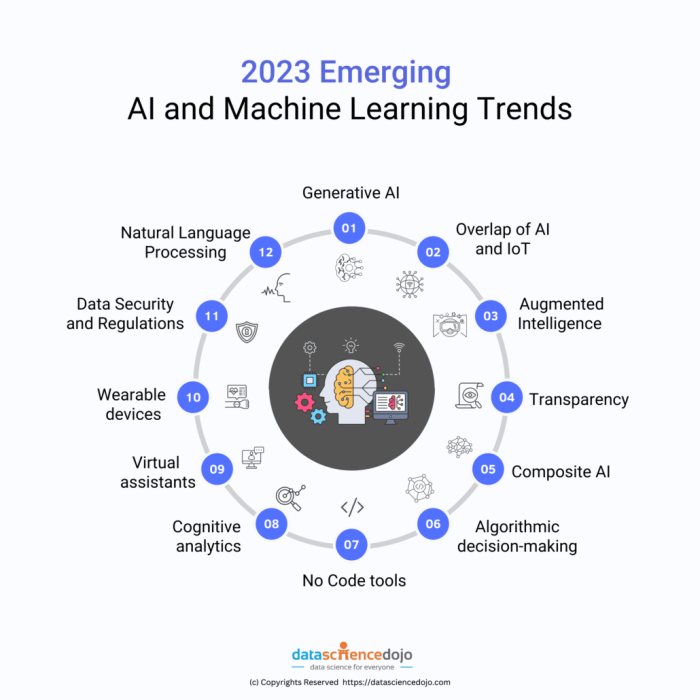
Artificial Intelligence (AI) and Machine Learning are cutting-edge technologies that have revolutionized various industries. AI refers to the simulation of human intelligence in machines that are programmed to think and learn like humans. On the other hand, Machine Learning is a subset of AI that enables machines to learn from data and improve their performance over time without being explicitly programmed.
Differences from Traditional Methods
AI and Machine Learning technologies differ from traditional methods in their ability to analyze large datasets, identify patterns, and make decisions without human intervention. Unlike traditional systems that follow predefined rules, AI and Machine Learning models can adapt and make predictions based on new information.
Applications in Daily Operations
- Customer Relationship Management: AI-powered chatbots and virtual assistants are used to enhance customer service by providing instant support and personalized recommendations.
- Predictive Maintenance: Machine Learning algorithms analyze equipment data to predict when maintenance is required, reducing downtime and operational costs.
- Supply Chain Optimization: AI algorithms optimize inventory management, route planning, and demand forecasting to streamline operations and improve efficiency.
- Fraud Detection: Machine Learning models analyze transaction data to detect fraudulent activities and prevent financial losses.
Benefits of Implementing AI and Machine Learning
AI and machine learning technologies offer numerous advantages for businesses looking to optimize their operations, enhance decision-making processes, and drive cost savings and efficiency improvements.
Optimizing Processes
Using AI and machine learning algorithms can help businesses streamline their processes by automating repetitive tasks, identifying patterns in data, and predicting outcomes. For example, predictive maintenance models can analyze equipment performance data to anticipate failures and schedule maintenance before breakdowns occur, minimizing downtime and reducing operational costs.
Enhancing Decision-Making
AI and machine learning technologies enable businesses to make data-driven decisions by analyzing large datasets and extracting valuable insights. These technologies can identify trends, patterns, and correlations in data that humans may overlook, providing decision-makers with more accurate information to guide strategic planning and resource allocation.
Cost Savings and Efficiency Improvements
Implementing AI and machine learning can lead to significant cost savings and efficiency improvements across various business functions. For instance, in customer service, chatbots powered by AI can handle routine inquiries, reducing the need for human intervention and improving response times.
Moreover, AI-driven inventory management systems can optimize stock levels, minimize overstocking or stockouts, and enhance supply chain efficiency.
Challenges and Limitations
Implementing AI and machine learning technologies in daily operations comes with its own set of challenges and limitations that organizations need to address in order to maximize their benefits.
Common Challenges Faced
- Lack of Quality Data: One of the major challenges is the availability of high-quality data for training machine learning models. Without clean and relevant data, the accuracy and effectiveness of AI applications can be compromised.
- Integration Complexity: Integrating AI and machine learning technologies into existing systems and processes can be complex and time-consuming. It requires careful planning and coordination across different departments.
- Cost of Implementation: Implementing AI solutions can be expensive, from acquiring the necessary hardware and software to hiring skilled professionals who can develop and maintain these technologies.
Potential Limitations
- Overreliance on Algorithms: Relying too heavily on AI algorithms without human oversight can lead to biased decision-making and errors that may go unnoticed.
- Lack of Explainability: AI and machine learning models often operate as black boxes, making it challenging to interpret and understand the reasoning behind their decisions, especially in critical scenarios.
- Data Privacy Concerns: Collecting and analyzing vast amounts of data for AI applications raises concerns about data privacy and security, especially with the increasing regulations around handling sensitive information.
Strategies to Overcome Challenges
- Invest in Data Quality: Organizations should prioritize data quality initiatives to ensure that the data used for training AI models is accurate, relevant, and free from biases.
- Provide Continuous Training: Regular training and upskilling of employees on AI technologies can help them adapt to the changes and effectively leverage these tools in daily operations.
- Enhance Transparency: Implementing practices that promote transparency in AI decision-making processes can help build trust with stakeholders and ensure ethical use of these technologies.
Integration into Daily Operations
Integrating AI and machine learning technologies seamlessly into daily operations is crucial for maximizing efficiency and productivity. It requires careful planning, implementation, and monitoring to ensure a smooth transition.
Best Practices for Integration
- Start with a clear strategy: Define your goals and objectives for implementing AI and machine learning technologies in daily operations.
- Identify suitable use cases: Determine areas where AI and machine learning can add the most value and prioritize those for integration.
- Collaborate with cross-functional teams: Involve different departments to ensure a holistic approach to integration.
- Provide adequate training: Educate employees on how to use and benefit from AI and machine learning tools effectively.
- Regularly evaluate and adjust: Continuously monitor the performance of AI systems and make necessary adjustments to optimize results.
Successful Integration Strategies
- Automating repetitive tasks: Use AI and machine learning to automate manual processes, freeing up time for employees to focus on more strategic tasks.
- Enhancing customer experience: Implement chatbots or recommendation systems to provide personalized services and improve customer satisfaction.
- Predictive maintenance: Utilize AI algorithms to predict equipment failures before they occur, reducing downtime and maintenance costs.
Ensuring Data Privacy and Security
- Implement strict access controls: Restrict access to sensitive data and ensure that only authorized personnel can view or manipulate it.
- Use encryption techniques: Encrypt data both in transit and at rest to prevent unauthorized access or data breaches.
- Regularly audit systems: Conduct regular security audits to identify vulnerabilities and address them promptly to safeguard data privacy.
End of Discussion
In conclusion, the adoption of AI and Machine Learning Technologies in Daily Operations presents a transformative shift towards efficiency, cost savings, and enhanced decision-making. By overcoming challenges and embracing best practices, organizations can harness the full potential of these technologies to stay competitive in the ever-evolving business landscape.
Q&A
How can AI and machine learning benefit daily operations?
AI and machine learning technologies can streamline processes, improve decision-making, and drive cost savings through automation and data-driven insights.
What are the common challenges faced when implementing AI and machine learning in daily operations?
Common challenges include data quality issues, resistance to change from employees, and the need for specialized expertise to implement and maintain these technologies.
How can organizations ensure data privacy and security when using AI and machine learning in daily operations?
Organizations can ensure data privacy and security by implementing robust encryption protocols, access controls, and regular security audits to protect sensitive information processed by AI and machine learning algorithms.